
The Allure of Threads: Unraveling the Italian and English Fabric Traditions
When it comes to fashion, the fabric is the foundation that sets the tone for the entire garment.
When it comes to fashion, the fabric is the foundation that sets the tone for the entire garment. Among the myriad choices available, Italian and English fabrics stand out for their rich history, quality craftsmanship, and unique characteristics. Let's delve into the fascinating world of these two fabric traditions to understand the key differences that make each a distinct player in the global textile market.
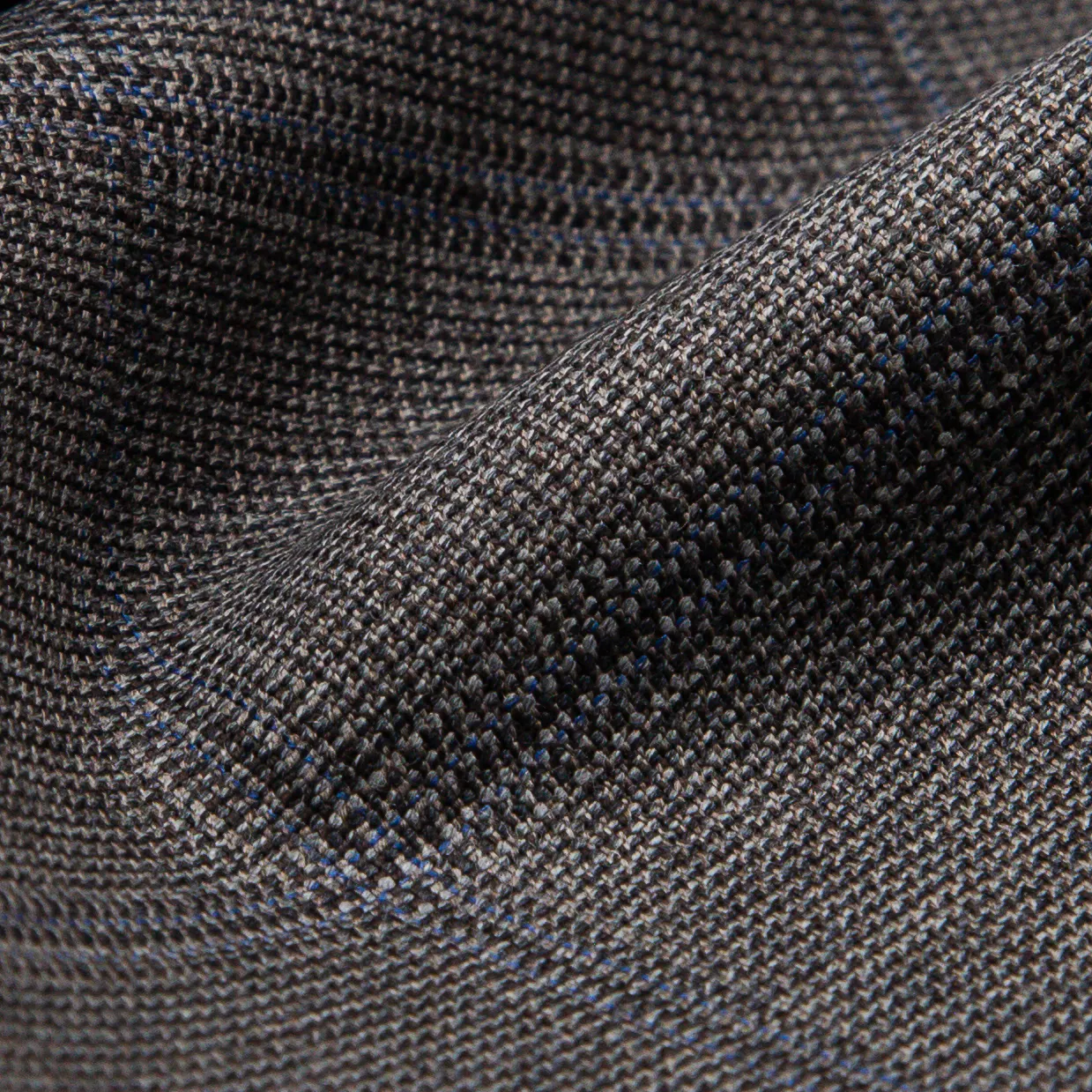
Italian fabrics are renowned for their exquisite quality and luxurious feel. Italy has long been a hub for textile innovation, and its fabrics often embody a perfect blend of tradition and modernity. Italian mills are celebrated for their attention to detail and use of high-quality raw materials, including fine merino wool, silk, and cashmere. Italian fabrics, like Ermenegildo Zegna and Loro Piana, are characterized by their softness, drape, and vibrant colors. Whether it's the smooth hand of a wool suiting fabric or the delicate touch of a silk chiffon, Italian textiles are synonymous with sophistication and elegance.
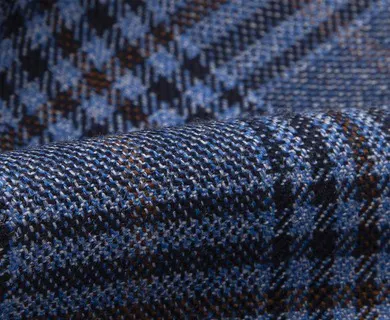
On the other hand, English fabrics, such as Holland & Sherry, boast a heritage deeply rooted in tradition and craftsmanship. England has a longstanding history of producing some of the finest woolen fabrics in the world. English mills are known for their expertise in worsted wools, tweeds, and flannels. The climate of the British Isles has played a significant role in shaping the nature of English fabrics, resulting in durable and insulating materials. English textiles often exhibit a more robust and structured feel compared to their Italian counterparts, making them ideal for classic tailoring and outerwear.
One notable difference lies in the weaving techniques employed by Italian and English mills. Italian fabrics often showcase intricate weaves, such as jacquards and brocades, adding a touch of artistry to the cloth. English mills, on the other hand, excel in traditional patterns like herringbone, houndstooth, and plaids, reflecting a timeless aesthetic that has stood the test of time.
While Italian fabrics radiate a sense of luxury and modernity, English textiles exude a classic and enduring charm. Both traditions bring something unique to the table, catering to different tastes and styles. Whether you're drawn to the effortless grace of Italian fabrics or the timeless elegance of English textiles, the world of fashion is richer for the diversity offered by these two distinct threads in the fabric of global textile craftsmanship.
Begin With a Private Appointment
Explore cloth, fit, and occasion with an Enzo Custom clothier. Reserve a private appointment at your nearest showroom.
No obligation · By appointment
More from the Journal

On Cashmere: Grades, Origins, and What Quality Looks Like
Most men own a cashmere garment. Few can, on inspection, tell whether the garment they own is good cashmere or merely cashmere. The fiber has been so democratized — by the mall brands, by the e-commerce labels, by the seasonal sale racks — that the word itself has lost most of its meaning. The original meaning is recoverable. It requires a small vocabulary and a willingness to handle the cloth long enough to read it.

The Double-Breasted Suit, Considered
The double-breasted suit has spent much of the last forty years out of fashion, then quietly back in it, then out again. Each of these movements obscures a more durable fact: the silhouette is its own grammar, and a man who understands its rules does not need to track its returns. The double-breasted is the most architecturally distinct cut in a man’s wardrobe — and, in its proper form, the most quietly authoritative.

The Black Suit: Considered Beyond Funerals
The black suit has a complicated reputation in contemporary menswear. For decades, it was the suit a man owned for funerals — a single piece in the closet that came out only for sad occasions and was otherwise treated as too somber for ordinary wear. The recommendation in most menswear writing is to skip the black suit entirely and choose a charcoal or navy as the foundational dark suit.