
Unraveling the Canvas Conundrum: Understanding Full, Semi and Half Canvassing in Suit Construction
Enzo Custom prides itself on delivering custom suits that are meticulously crafted to embody style, quality, and comfort. A significant element that makes our suits a class apart is our commitment to traditional craftsmanship, particularly our utilization of canvassing in suit construction.
Enzo Custom prides itself on delivering custom suits that are meticulously crafted to embody style, quality, and comfort. A significant element that makes our suits a class apart is our commitment to traditional craftsmanship, particularly our utilization of canvassing in suit construction.
Let's explore the world of canvassing and its implications on the quality of your custom suit.
The Anatomy of Canvassing
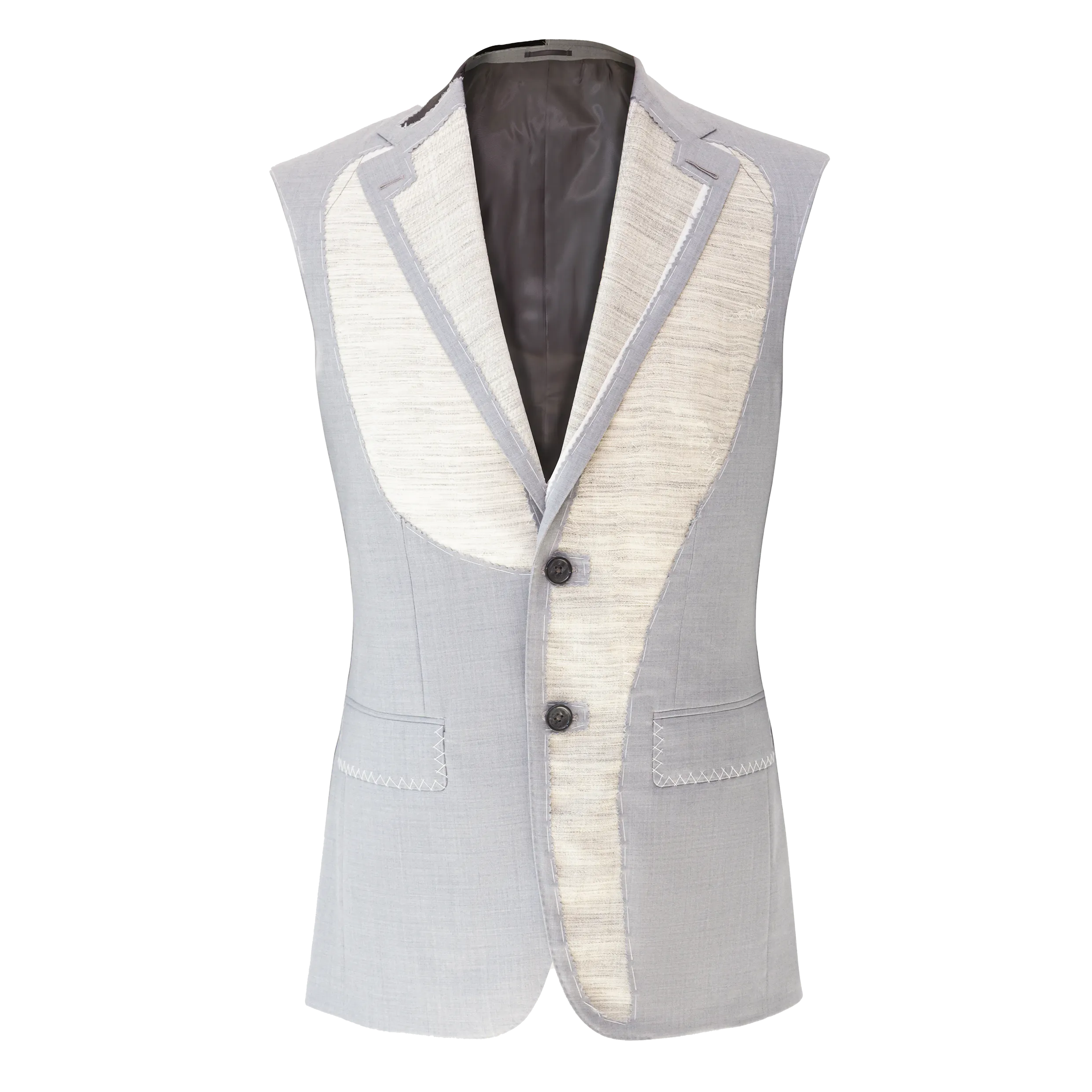
The canvas lies at the core of every Enzo Custom suit. It is a layer of fabric, often a blend of wool and horsehair, sandwiched between the suit fabric and the lining. This canvas forms the structure of the suit, allowing it to drape naturally on your body, adjusting to your movements.
Unlike off-the-rack suits that use a process called fusing to glue the suit fabric to the lining, our suits employ canvassing for a more natural fit and increased longevity.
Full Canvas, Semi-Canvas, and Half Canvas: The Choices at Hand
Enzo Custom caters to diverse tastes and preferences, offering full canvas, semi-canvas, and half canvas options for your suits, each with their unique advantages.
Half Canvas
Perfect for those seeking a balance between cost and quality. The canvas is used in the chest and lapel regions, ensuring your suit maintains its shape and drape effectively.

Semi-Canvas
Also known as 'half-canvas plus', this option extends the canvas past the lapel and chest region to cover a larger portion of the suit, offering a better drape and fit compared to half-canvas suits, but without the full investment of a fully canvassed suit.
Full Canvas
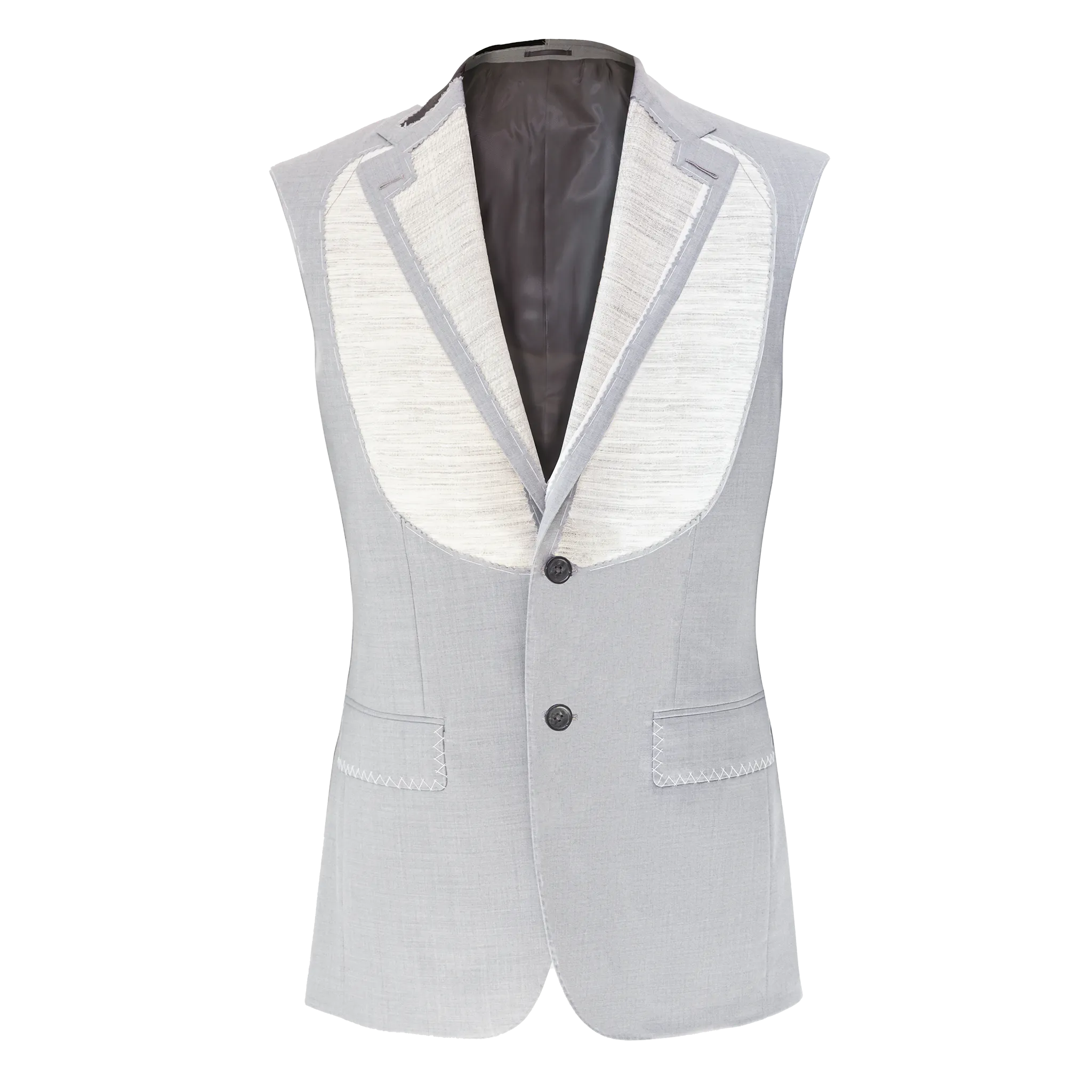
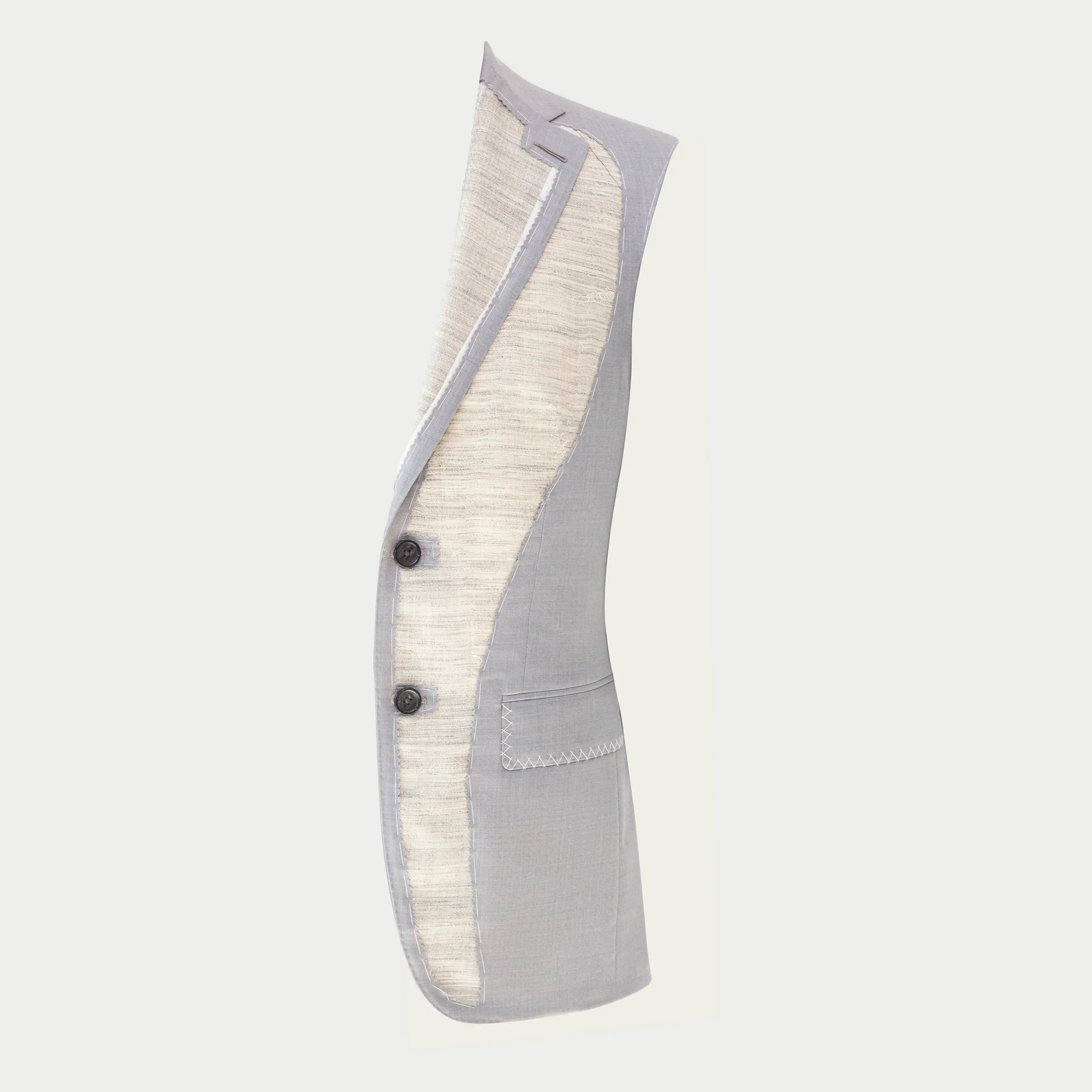
The epitome of traditional suit construction. The canvas covers the entire front of the suit, allowing it to mold to your body over time, resulting in a perfect fit. A fully canvassed suit is an investment, but its superior drape, longevity, and aesthetics justify the additional cost.

Navigating the Canvassing Landscape
Choosing between half canvas, semi-canvas, and full canvas involves considering your budget, style preferences, and suit-wearing frequency.
A half canvas suit would be an ideal choice if you're budget-conscious but still want to elevate from off-the-rack suits. It provides a good compromise between price and quality.
Semi-canvas suits, on the other hand, offer a middle-ground. If you're someone who wears suits occasionally and wishes for a better fit and drape than a half canvas, without reaching the investment level of a full canvas, this is your go-to option.
However, if you frequently don suits or are seeking one for a very special occasion, a fully canvassed suit is worth the investment. It offers an impeccable fit, ages beautifully, and adapts to your body shape over time for a genuinely custom fit.
At Enzo Custom, our focus is on delivering quality suits to meet diverse needs and budgets. No matter your canvas preference, we ensure a product crafted with a keen eye for detail and commitment to traditional craftsmanship.
Ultimately, the choice lies with you, but regardless of the selection, you will be stepping out in a high-quality suit that boosts your confidence and adds a dash of sophistication to your persona. After all, at Enzo Custom, we believe that the ideal suit transcends the realms of fabric and thread – it's about the charisma it imparts to the man who wears it.
Begin With a Private Appointment
Explore cloth, fit, and occasion with an Enzo Custom clothier. Reserve a private appointment at your nearest showroom.
No obligation · By appointment
More from the Journal

On Cashmere: Grades, Origins, and What Quality Looks Like
Most men own a cashmere garment. Few can, on inspection, tell whether the garment they own is good cashmere or merely cashmere. The fiber has been so democratized — by the mall brands, by the e-commerce labels, by the seasonal sale racks — that the word itself has lost most of its meaning. The original meaning is recoverable. It requires a small vocabulary and a willingness to handle the cloth long enough to read it.

The Double-Breasted Suit, Considered
The double-breasted suit has spent much of the last forty years out of fashion, then quietly back in it, then out again. Each of these movements obscures a more durable fact: the silhouette is its own grammar, and a man who understands its rules does not need to track its returns. The double-breasted is the most architecturally distinct cut in a man’s wardrobe — and, in its proper form, the most quietly authoritative.

The Black Suit: Considered Beyond Funerals
The black suit has a complicated reputation in contemporary menswear. For decades, it was the suit a man owned for funerals — a single piece in the closet that came out only for sad occasions and was otherwise treated as too somber for ordinary wear. The recommendation in most menswear writing is to skip the black suit entirely and choose a charcoal or navy as the foundational dark suit.