
Timeless Elegance: Choosing the Perfect Tuxedo for Soirees
May your tuxedo serve as a canvas, allowing you to paint a picture of sartorial excellence that lingers long after the last toast is made.
A Sartorial Symphony in Black and White
Tuxedos are not just garments; they're an experience. As the days grow shorter and the calendar fills up with an array of formal events, you may find yourself pondering the eternal question: What should I wear? The answer, as always, is a classic tuxedo. In this guide, we'll help you navigate the sea of choices and considerations when it comes to selecting a tuxedo that matches the ambiance of your upcoming events.
Eclipsing Trends: The Timeless Quality of a Tuxedo
It's often said that fashion fades but style is eternal. Few garments epitomize this notion like the tuxedo. With its clean lines, crisp detailing, and iconic color palette, a tuxedo is your surefire ticket to looking effortlessly chic, no matter the occasion.
Fabric Matters: The Material Difference
When it comes to choosing the fabric for your tuxedo, think rich and luxurious. Velvets, satins, and fine wools are popular options. The type of fabric not only affects how your tuxedo looks but also how it feels. Your fabric choice can offer a subtle but significant stylistic message, setting you apart from a sea of similar black suits.
Dapper Details: Buttons, Lapels, and More
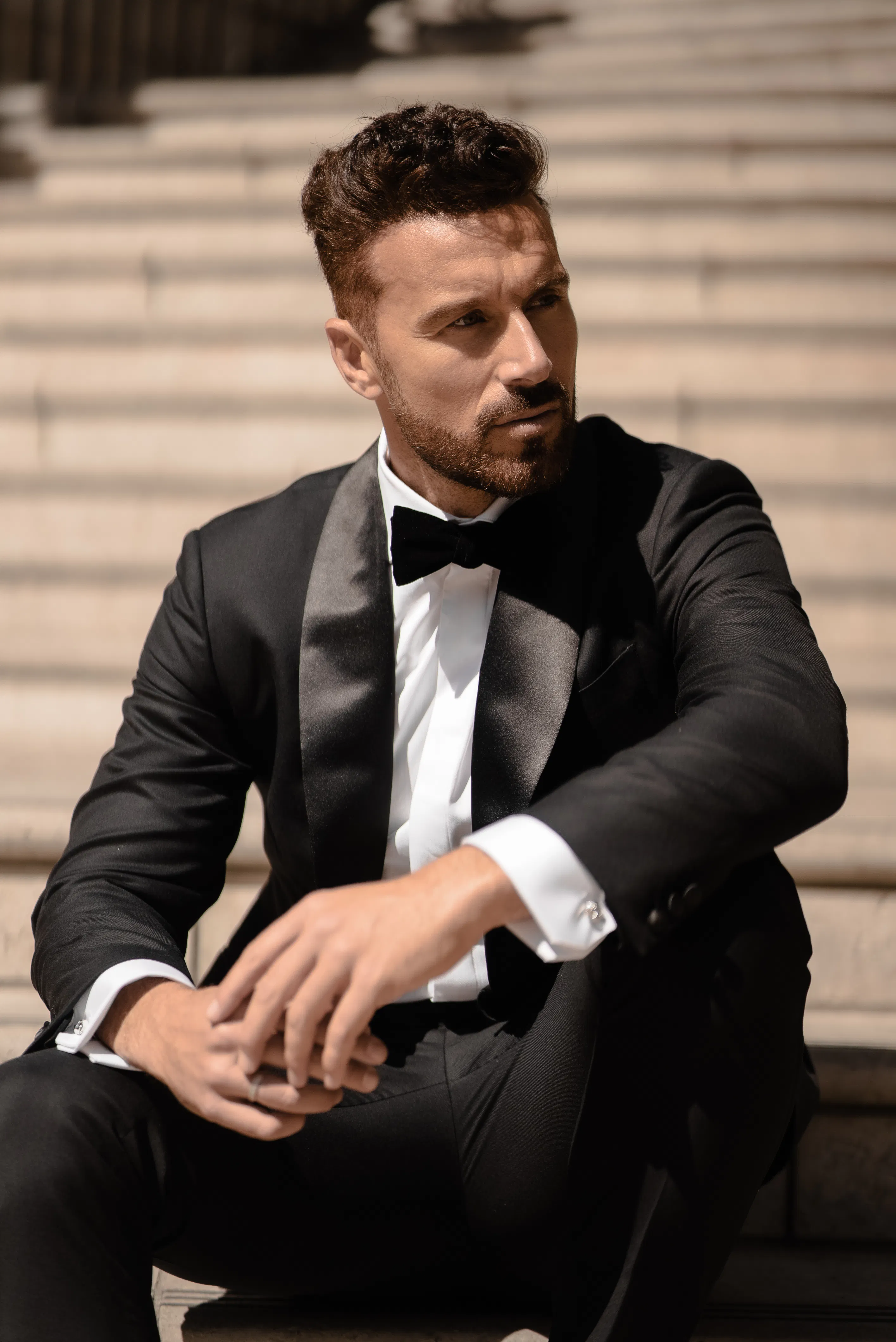
Let's get into the details—lapel styles, button numbers, pocket designs—all the little features that make a big difference. While peak lapels are a traditional favorite, shawl lapels offer a touch of modernity. Similarly, you can opt for a single-breasted or double-breasted design based on your personal preference and body shape.
A Cut Above: Tailoring to Perfection
The key to a stunning tuxedo is impeccable tailoring. A well-fitted tux should accentuate your best features while providing enough room for comfortable movement. Whether you opt for a slim fit or a classic cut, make sure you consult with a skilled tailor to get the best fit possible.
Donning the Ensemble: Coordinating Accessories
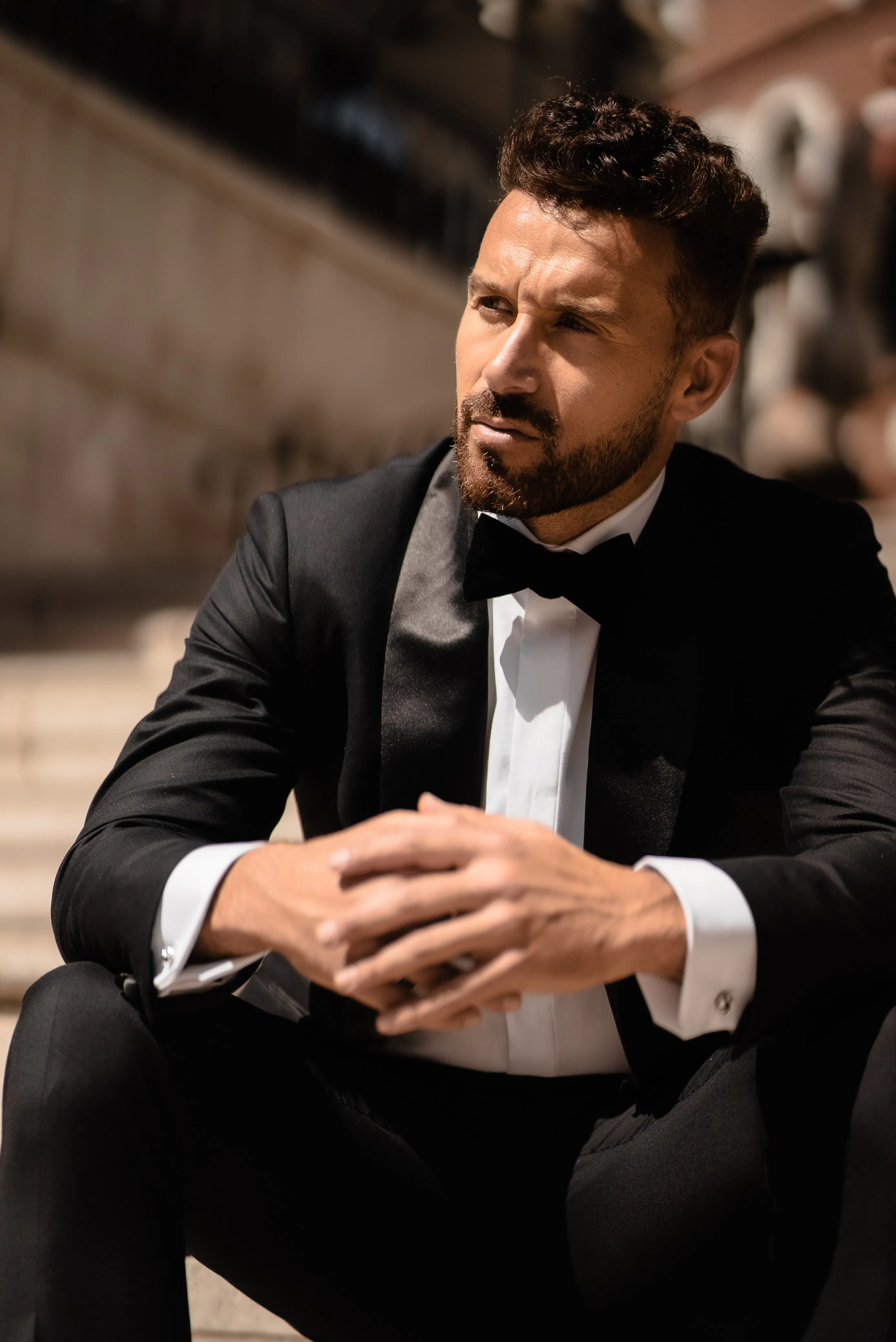
A tuxedo is incomplete without its accompanying accessories. Cufflinks, pocket squares, and bow ties—each accessory is a chance to showcase your personal style. Experiment with textures and colors, but remember to keep it classy. The goal is to complement, not overshadow, the grandeur of your tuxedo.
A Toast to Elegance
Choosing a tuxedo is more than a fashion statement; it's a declaration of elegance, sophistication, and timeless style. As you prepare for the series of events marked in your social calendar, take the time to invest in a tuxedo that will not just meet but exceed the expectations for any formal affair.
May your tuxedo serve as a canvas, allowing you to paint a picture of sartorial excellence that lingers long after the last toast is made. Cheers to unparalleled elegance and style!
Begin With a Private Appointment
Explore cloth, fit, and occasion with an Enzo Custom clothier. Reserve a private appointment at your nearest showroom.
No obligation · By appointment
More from the Journal

The Black Suit: Considered Beyond Funerals
The black suit has a complicated reputation in contemporary menswear. For decades, it was the suit a man owned for funerals — a single piece in the closet that came out only for sad occasions and was otherwise treated as too somber for ordinary wear. The recommendation in most menswear writing is to skip the black suit entirely and choose a charcoal or navy as the foundational dark suit.
The Showroom in Beverly Hills: Rodeo Drive
Our Beverly Hills showroom sits on South Rodeo Drive, in a building whose neighbors include the most established luxury houses in American retail. The choice of address was deliberate. A custom tailoring house that operates in Los Angeles needs to be where the city's most discerning clients already shop, and Rodeo Drive remains the address that gathers those clients in one block.

The Trousers: Pleats, Cuffs, and the Quiet Detail
Trousers are the half of a suit that men think about least and that, in fact, do the most invisible work. A jacket can be slightly imperfect and still photograph well. Trousers cannot. The lines of the trousers — how they break, how they hang, where they fall on the shoe, whether they pull or pool — are visible from every angle and across every motion. The trousers are the foundation, and they deserve more attention than they typically receive.