
The Timeless Evolution of the Dress Shirt: A Sartorial Journey
Dress shirts, the cornerstone of refined menswear, have undergone a remarkable evolution over the centuries.
Dress shirts, the cornerstone of refined menswear, have undergone a remarkable evolution over the centuries. From humble beginnings to becoming a symbol of sophistication and style, their journey reflects the ever-changing trends and tastes of fashion.
In the early days, dress shirts were utilitarian garments, primarily worn as an undergarment beneath more elaborate outer layers. Made from basic fabrics like linen or cotton, they were plain and devoid of embellishments. However, as societal norms evolved and fashion became more expressive, dress shirts began to emerge as standalone pieces, gaining attention for their craftsmanship and detailing.
The 19th century saw the rise of the modern dress shirt, characterized by a structured collar, cuffs, and placket. Tailoring techniques improved, allowing for a more fitted silhouette, and the introduction of the sewing machine revolutionized production, making dress shirts more accessible to a broader audience. With the dawn of the 20th century, dress shirts became synonymous with formal attire, donned by businessmen and gentlemen alike, cementing their status as a wardrobe essential.
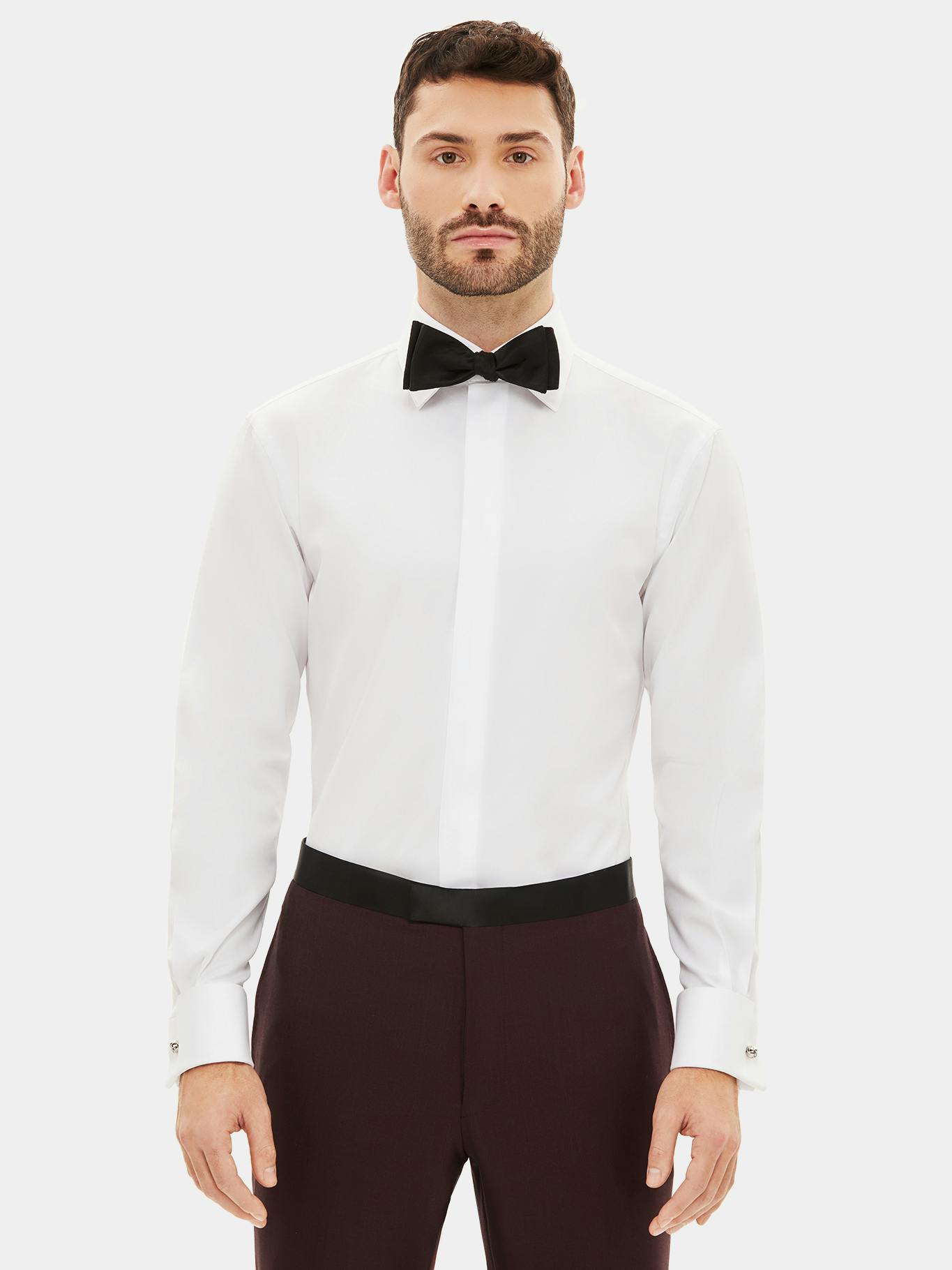
Fast forward to the present day, and the dress shirt has undergone further transformations, adapting to contemporary lifestyles and preferences. Innovative fabrics and technologies have revolutionized the way dress shirts look and feel, offering enhanced comfort and performance. From wrinkle-resistant materials to moisture-wicking properties, today's dress shirts marry style with functionality, catering to the needs of the modern man.
The evolution of the dress shirt is a testament to the enduring allure of menswear. From its humble origins to its status as a sartorial staple, the dress shirt has stood the test of time, continually reinventing itself while staying true to its timeless appeal. Whether paired with a tailored suit for a formal affair or dressed down with jeans for a casual outing, the dress shirt remains an indispensable item in every man's wardrobe, embodying elegance, versatility, and sophistication.
Begin With a Private Appointment
Explore cloth, fit, and occasion with an Enzo Custom clothier. Reserve a private appointment at your nearest showroom.
No obligation · By appointment
More from the Journal

The Black Suit: Considered Beyond Funerals
The black suit has a complicated reputation in contemporary menswear. For decades, it was the suit a man owned for funerals — a single piece in the closet that came out only for sad occasions and was otherwise treated as too somber for ordinary wear. The recommendation in most menswear writing is to skip the black suit entirely and choose a charcoal or navy as the foundational dark suit.
The Showroom in Beverly Hills: Rodeo Drive
Our Beverly Hills showroom sits on South Rodeo Drive, in a building whose neighbors include the most established luxury houses in American retail. The choice of address was deliberate. A custom tailoring house that operates in Los Angeles needs to be where the city's most discerning clients already shop, and Rodeo Drive remains the address that gathers those clients in one block.

The Trousers: Pleats, Cuffs, and the Quiet Detail
Trousers are the half of a suit that men think about least and that, in fact, do the most invisible work. A jacket can be slightly imperfect and still photograph well. Trousers cannot. The lines of the trousers — how they break, how they hang, where they fall on the shoe, whether they pull or pool — are visible from every angle and across every motion. The trousers are the foundation, and they deserve more attention than they typically receive.