
The Timeless Debate: Single-Breasted vs. Double-Breasted Suits
In the world of men's fashion, the choice between a single-breasted and a double-breasted suit has been a timeless debate.
In the world of men's fashion, the choice between a single-breasted and a double-breasted suit has been a timeless debate. Both styles exude elegance and sophistication, but each carries its own unique charm. Let's explore the characteristics of these two classic suit styles to help you make an informed decision for your next sartorial investment.
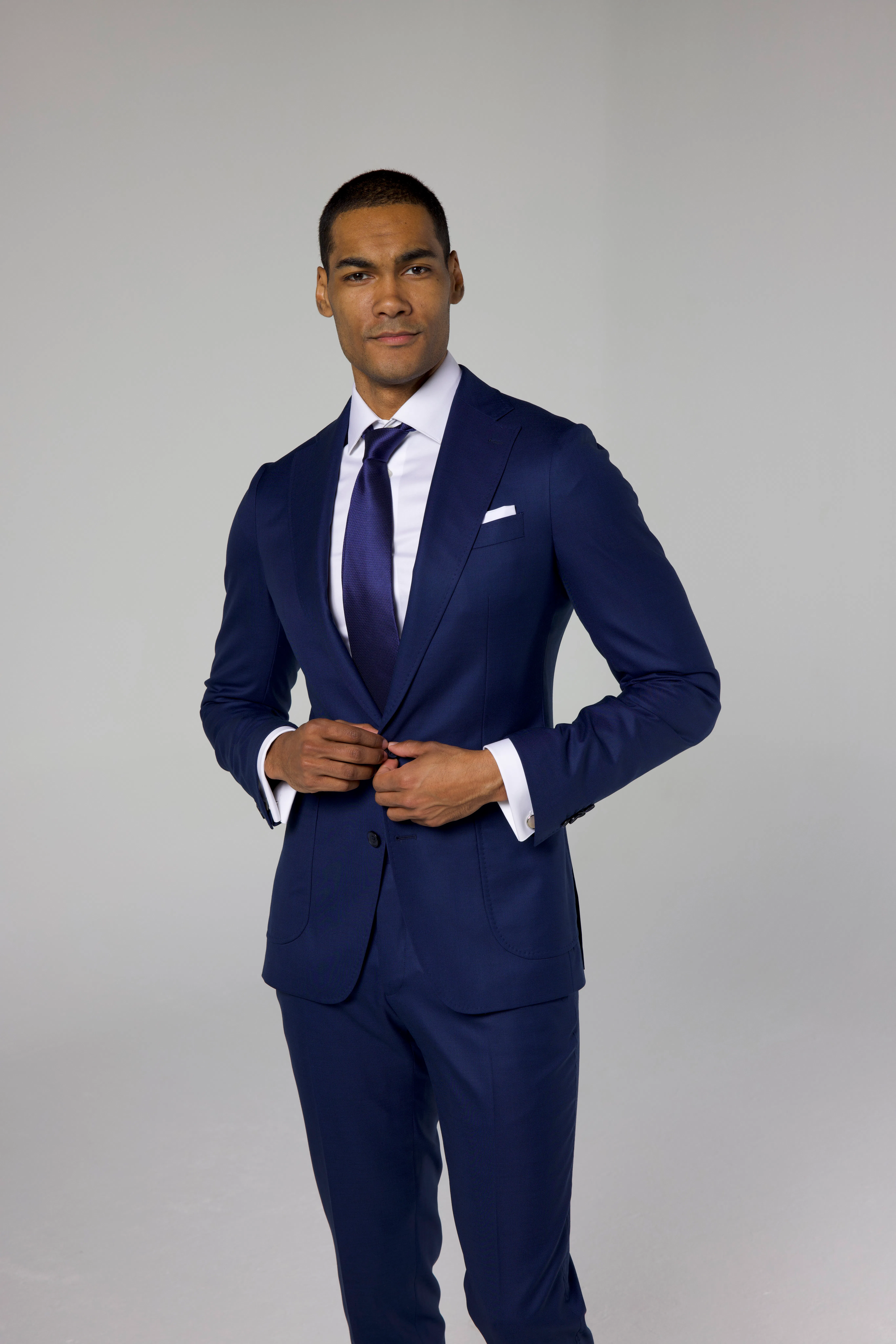
Single-Breasted Suits
The single-breasted suit is the epitome of versatility and timeless style. Characterized by a single row of buttons down the front, this style is the go-to choice for various occasions, from business meetings to social events. Single-breasted suits are known for their simplicity and classic silhouette, making them a staple in every man's wardrobe.
Advantages:
- Versatility: Single-breasted suits are incredibly versatile and can easily transition from formal to casual settings.
- Modern Appeal: This style is considered more contemporary, making it a popular choice for professionals seeking a polished, modern look.
- Tailoring Options: Easier to tailor, single-breasted suits offer a wide range of customization options to achieve the perfect
fit.
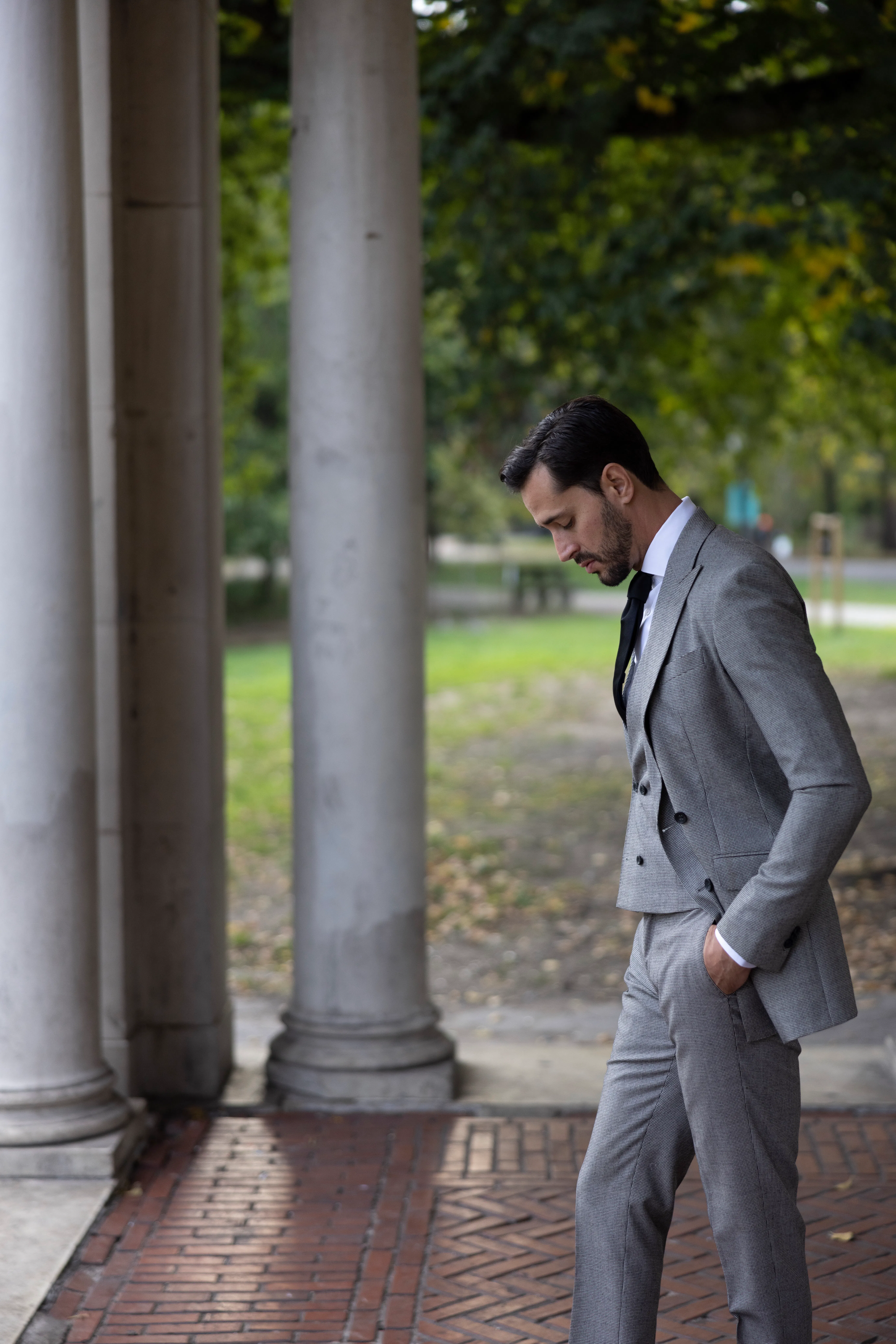
Double-Breasted Suits
Double-breasted suits, on the other hand, are distinguished by their overlapping front flaps and two parallel columns of buttons. This style carries a more traditional and structured aesthetic, often associated with power and authority.
Advantages:
- Formal Elegance: Double-breasted suits are inherently more formal, making them ideal for special occasions and business settings that demand a strong presence.
- Classic Appeal: The overlapping front design adds a touch of vintage sophistication, appealing to those who appreciate a timeless and traditional look.
- Statement Piece: Wearing a double-breasted suit is a statement in itself, projecting confidence and style.
Choosing the Right Suit for You: Ultimately, the choice between a single-breasted and double-breasted suit depends on your personal style, the occasion, and your body type.
If you're looking for a versatile option that seamlessly transitions between various events, a single-breasted suit is your go-to. On the other hand, if you want to make a bold statement with a touch of classic elegance, a double-breasted suit might be the perfect choice.
Whether you opt for the simplicity of a single-breasted suit or the commanding presence of a double-breasted one, both styles have their own merits. The key is to choose a suit that aligns with your personal style and the nature of the event, ensuring that you not only look good but feel confident in your sartorial choice. After all, a well-dressed man is a confident man.
Begin With a Private Appointment
Explore cloth, fit, and occasion with an Enzo Custom clothier. Reserve a private appointment at your nearest showroom.
No obligation · By appointment
More from the Journal

The Black Suit: Considered Beyond Funerals
The black suit has a complicated reputation in contemporary menswear. For decades, it was the suit a man owned for funerals — a single piece in the closet that came out only for sad occasions and was otherwise treated as too somber for ordinary wear. The recommendation in most menswear writing is to skip the black suit entirely and choose a charcoal or navy as the foundational dark suit.
The Showroom in Beverly Hills: Rodeo Drive
Our Beverly Hills showroom sits on South Rodeo Drive, in a building whose neighbors include the most established luxury houses in American retail. The choice of address was deliberate. A custom tailoring house that operates in Los Angeles needs to be where the city's most discerning clients already shop, and Rodeo Drive remains the address that gathers those clients in one block.

The Trousers: Pleats, Cuffs, and the Quiet Detail
Trousers are the half of a suit that men think about least and that, in fact, do the most invisible work. A jacket can be slightly imperfect and still photograph well. Trousers cannot. The lines of the trousers — how they break, how they hang, where they fall on the shoe, whether they pull or pool — are visible from every angle and across every motion. The trousers are the foundation, and they deserve more attention than they typically receive.