
The Classic Dilemma: White or Black Bowtie?
When it comes to formal occasions, the choice of attire can be crucial in making a statement.
When it comes to formal occasions, the choice of attire can be crucial in making a statement. Among the many decisions to be made, one of the most debated topics often revolves around the color of the bowtie. Should one opt for the timeless elegance of black, or embrace the crisp sophistication of white? Let's explore the classic dilemma of white versus black bowties.
The Timeless Appeal of Black
Black bowties have long been synonymous with formal wear. They exude an air of sophistication and understated elegance. Whether paired with a tuxedo or a sleek suit, a black bowtie adds a touch of refinement to any ensemble. Its versatility allows it to seamlessly complement a range of colors and fabrics, making it a staple in every gentleman's wardrobe. Moreover, black is a color associated with power, authority, and confidence, making it an ideal choice for those looking to make a strong impression.
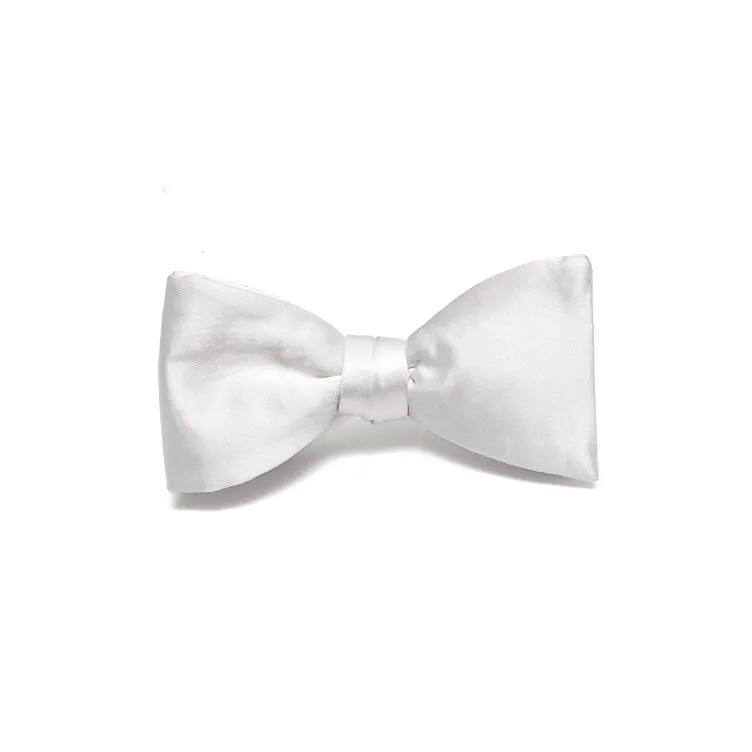
The Crisp Elegance of White
On the other hand, white bowties offer a refreshing departure from tradition. They symbolize purity, innocence, and sophistication. A white bowtie can brighten up an outfit, adding a dash of freshness and modernity. It is often favored for summer weddings or daytime events, where lighter hues are preferred. Additionally, white bowties can create a striking contrast against darker suits, making them stand out in a crowd. Wearing a white bowtie can also evoke a sense of individuality and flair, setting the wearer apart from the sea of black.
The Choice is Yours
Ultimately, the decision between a white or black bowtie boils down to personal preference and the occasion at hand. While black exudes timeless elegance and authority, white offers a contemporary twist and a touch of individuality. Whether you opt for the classic sophistication of black or the crisp elegance of white, remember to wear your bowtie with confidence and grace. After all, it's not just about the color—it's about how you carry yourself.
So, the next time you find yourself debating between a white or black bowtie, consider the message you want to convey and the ambiance of the event. Whether you choose to go classic or contemporary, both options are sure to make a statement and leave a lasting impression.
Begin With a Private Appointment
Explore cloth, fit, and occasion with an Enzo Custom clothier. Reserve a private appointment at your nearest showroom.
No obligation · By appointment
More from the Journal

On Cashmere: Grades, Origins, and What Quality Looks Like
Most men own a cashmere garment. Few can, on inspection, tell whether the garment they own is good cashmere or merely cashmere. The fiber has been so democratized — by the mall brands, by the e-commerce labels, by the seasonal sale racks — that the word itself has lost most of its meaning. The original meaning is recoverable. It requires a small vocabulary and a willingness to handle the cloth long enough to read it.

The Double-Breasted Suit, Considered
The double-breasted suit has spent much of the last forty years out of fashion, then quietly back in it, then out again. Each of these movements obscures a more durable fact: the silhouette is its own grammar, and a man who understands its rules does not need to track its returns. The double-breasted is the most architecturally distinct cut in a man’s wardrobe — and, in its proper form, the most quietly authoritative.

The Black Suit: Considered Beyond Funerals
The black suit has a complicated reputation in contemporary menswear. For decades, it was the suit a man owned for funerals — a single piece in the closet that came out only for sad occasions and was otherwise treated as too somber for ordinary wear. The recommendation in most menswear writing is to skip the black suit entirely and choose a charcoal or navy as the foundational dark suit.