
Pants Hemming: The Art of Achieving Perfect Custom Trousers
Pants hemming is a subtle yet crucial aspect of tailoring that plays a pivotal role in crafting the perfect pair of trousers. This often overlooked aspect of tailoring has a significant impact on the overall fit, style, and comfort of a pair of pants, making it an essential consideration for anyone aiming to achieve a polished look.
Pants hemming is a subtle yet crucial aspect of tailoring that plays a pivotal role in crafting the perfect pair of trousers. This often overlooked aspect of tailoring has a significant impact on the overall fit, style, and comfort of a pair of pants, making it an essential consideration for anyone aiming to achieve a polished look.
Pants hemming is the process of adjusting the length of trousers to meet the wearer's specific measurements. It involves the careful cutting and folding of the fabric at the bottom of the trouser legs, followed by precise stitching to secure the new length. This seemingly simple process requires a high level of skill and accuracy, making it a task best left to the hands of an experienced tailor.
The importance of pants hemming cannot be overstated. An ill-fitted pair of trousers can easily undermine the elegance of a well-tailored jacket or a crisp shirt. Too long, and they can create a sloppy appearance; too short, and they can appear unintentionally casual. Perfectly hemmed trousers, on the other hand, can enhance your overall appearance, making you look taller, leaner, and more put-together.
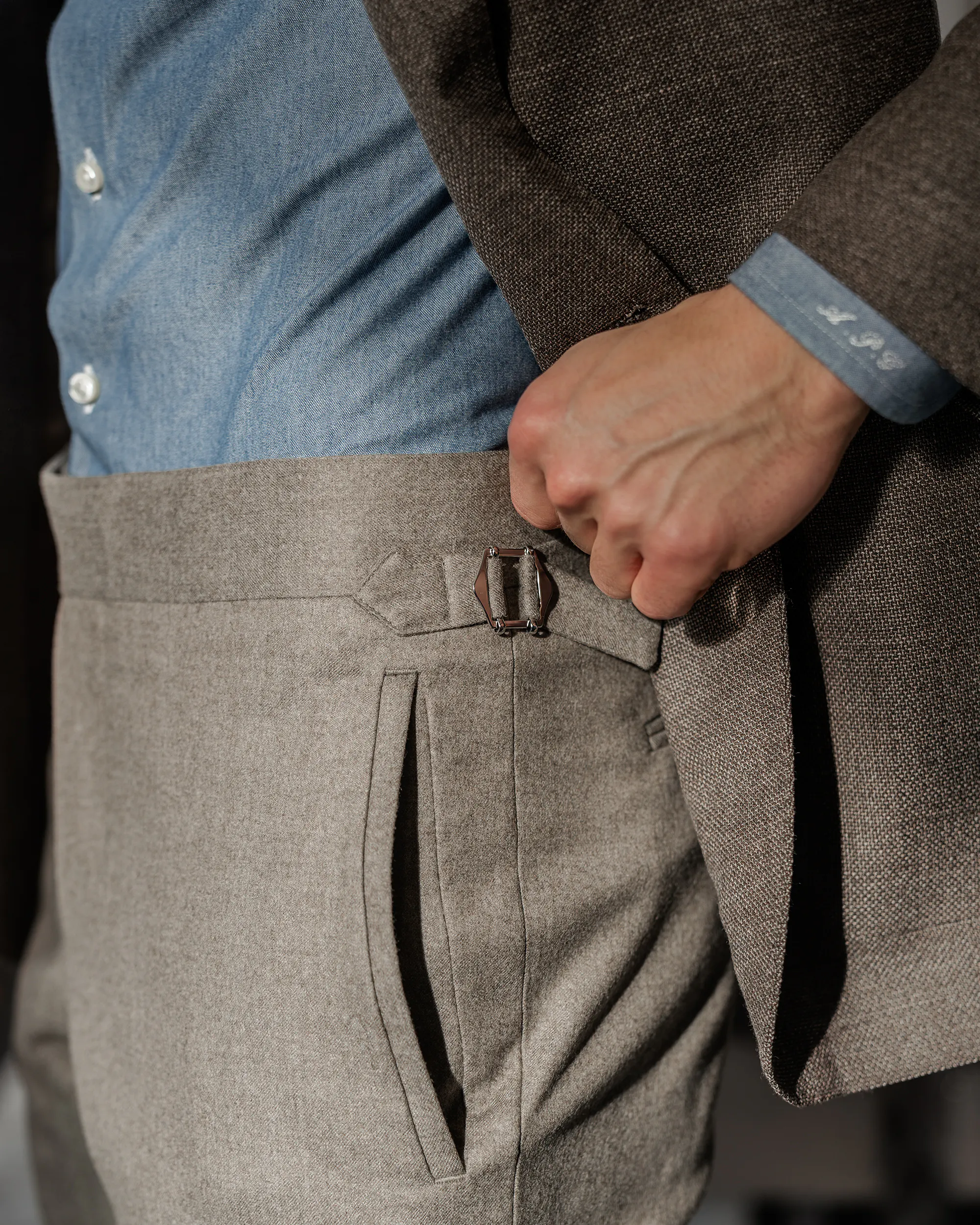
Pants hemming is not a one-size-fits-all process. The ideal trouser length can vary depending on a variety of factors, including the style of the trousers, the type of shoes worn with them, and even the occasion or setting. For instance, formal trousers are typically hemmed to have a slight break, where the front of the trouser slightly touches the shoe. Casual trousers, on the other hand, may be hemmed to sit higher, revealing more of the shoe or ankle.
The process of pants hemming begins with a consultation with a Clothier, who will take precise measurements to determine the ideal trouser length. The wearer's height, leg length, and personal style preferences are all taken into account. Once the measurements are taken, the Clothier will cut and fold the fabric at the bottom of the trouser legs before meticulously stitching the new hem in place.
Pants hemming is not just about achieving the right length; it's also about ensuring a clean, polished finish. This involves careful handling of the fabric to avoid visible cut lines or uneven stitches. It also involves selecting the right type of hem – whether a single fold or a double fold – based on the fabric and style of the trousers.
Beyond aesthetics, pants hemming also contributes to the longevity of your trousers. Hemmed trousers are less likely to fray or wear out at the bottom, thereby extending their lifespan.
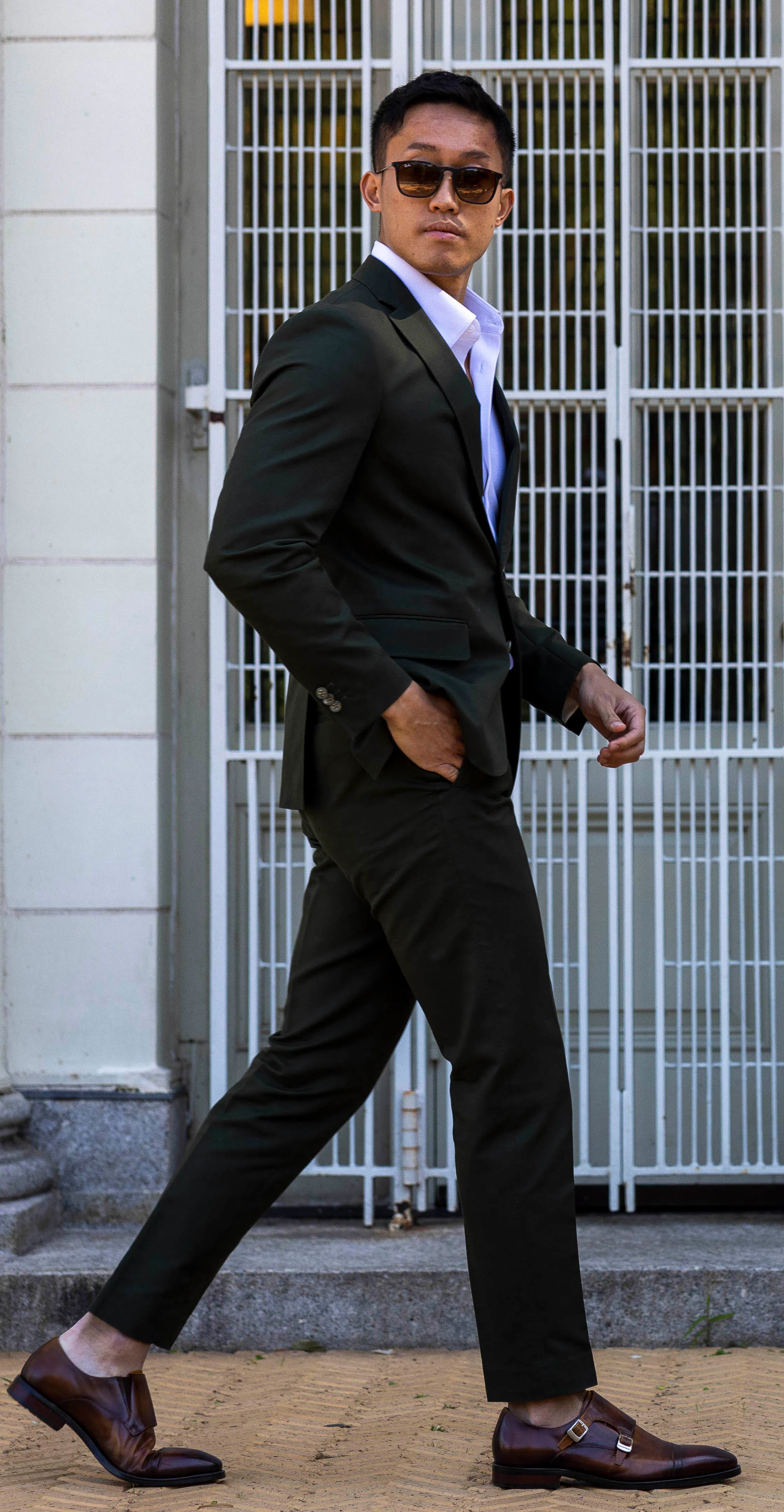
Choosing to invest in Enzo Custom trousers is a nod to the importance of fit and finish in fashion. It is an acknowledgement that details matter and that the pursuit of the perfect fit is worth the effort. Moreover, it is a sustainable choice. By ensuring that your trousers fit perfectly, you are less likely to discard them prematurely, thereby reducing waste.
Pants hemming is an essential aspect of customization that contributes significantly to the fit, style, and durability of trousers. It is a testament to the value of craftsmanship and attention to detail in fashion. Whether for formal trousers, casual chinos, or comfortable jeans, pants hemming is a crucial step towards achieving a polished and stylish look. So, the next time you find a pair of trousers that you love but are just a bit too long, remember the power of pants hemming. It's the finishing touch that can transform a good pair of trousers into a great one.
Begin With a Private Appointment
Explore cloth, fit, and occasion with an Enzo Custom clothier. Reserve a private appointment at your nearest showroom.
No obligation · By appointment
More from the Journal

On Dress Shoes: Oxford, Derby, Loafer, and Double Monk
A suit ends at the ankle, and what is worn below it matters as much as anything above. The dress-shoe vocabulary is small — four forms do almost all the work of the serious wardrobe — but the small vocabulary is precise. Each of the four belongs to a particular kind of dressing, and each is wrong in the contexts the others were built for.

The Overcoat: Chesterfield, Polo, Crombie, and the Long Lineage
An overcoat is the most public garment in a man’s wardrobe. It is worn on the street, into the lobby, across the carpet at every winter event from November to March, and it announces the wearer’s taste before any other piece of clothing he owns. It is also, in the modern wardrobe, the most under-considered. Most men own one overcoat, bought at random, worn until it falls apart, and replaced with another one bought at random. The right overcoat is one of the most consequential purchases a man makes.

On the Lining: Half-Lined, Quarter-Lined, and the Question of Bemberg
The lining of a jacket is the part of the garment the wearer sees most and the buyer thinks about least. It is what touches the shirt, what slides over the shoulders when the jacket goes on, what carries the colour that flashes when the wearer moves. It is also a meaningful structural component of the coat. The choice between full, half, and quarter lining, and the choice between Bemberg, silk, and other fibers, are the choices that determine how a jacket wears across seasons and how long it lasts.