
Mastering Tie Folding: 3 Popular Techniques Every Gentleman Should Know
In the realm of men's fashion, a tie is a quintessential accessory that adds finesse and charm to any ensemble.
In the realm of men's fashion, a tie is a quintessential accessory that adds finesse and charm to any ensemble. However, the art of tying a tie extends beyond merely looping and knotting it around your neck. A well-folded tie can elevate your look to new heights, exuding sophistication and style. Here, we explore three of the most popular ways to fold a tie that every gentleman should master.
The Four-in-Hand Knot
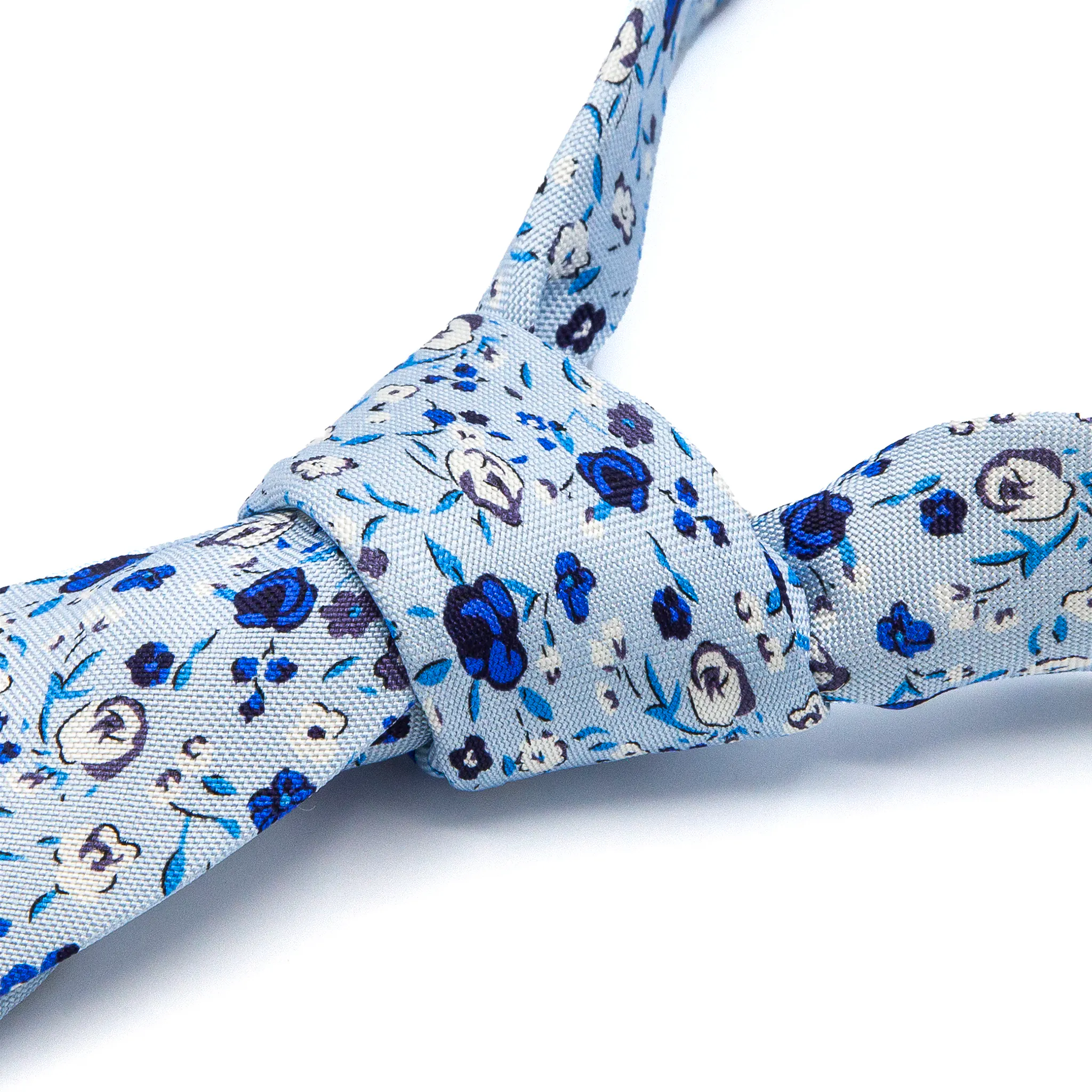
The Four-in-Hand knot is arguably the most classic and widely used tie folding technique. It's known for its simplicity and asymmetrical appearance, making it suitable for both formal and casual occasions. To achieve this fold, start by draping the tie around your neck with the wide end hanging about 12 inches lower than the narrow end. Cross the wide end over the narrow end, then bring it under and up through the loop. Finally, pass the wide end through the knot you've created and adjust it to your desired tightness.
The Half-Windsor Knot
For a slightly more formal look, the Half-Windsor knot strikes the perfect balance between elegance and simplicity. Begin by placing the tie around your neck, with the wide end on your right side and hanging lower than the narrow end. Cross the wide end over the narrow end, then bring it under and up through the loop. Next, pass the wide end over to the right, behind the narrow end, and then back over to the left. Finally, bring the wide end up through the loop again and tighten the knot by pulling both ends gently.
The Eldredge Knot
For those who dare to make a bold statement, the Eldredge knot is a showstopper. This intricate knot is sure to turn heads with its complex weaving pattern. While it may take some practice to master, the result is undeniably impressive. To achieve the Eldredge knot, start with the wide end on your right side and the narrow end on your left. Cross the wide end over the narrow end, then bring it under and up through the loop. Next, bring the wide end across the front, to the right, then back around and through the loop. Continue weaving the wide end in this manner, alternating sides until you've reached the desired length. Finally, tuck the wide end through the loop and adjust the knot as needed.
Mastering these three popular tie folding techniques will undoubtedly enhance your sartorial prowess and elevate your style game. Whether you opt for the classic Four-in-Hand, the refined Half-Windsor, or the daring Eldredge, each fold brings its own unique charm to your ensemble. So, next time you reach for a tie, remember these techniques and tie with confidence.
Begin With a Private Appointment
Explore cloth, fit, and occasion with an Enzo Custom clothier. Reserve a private appointment at your nearest showroom.
No obligation · By appointment
More from the Journal

On Cashmere: Grades, Origins, and What Quality Looks Like
Most men own a cashmere garment. Few can, on inspection, tell whether the garment they own is good cashmere or merely cashmere. The fiber has been so democratized — by the mall brands, by the e-commerce labels, by the seasonal sale racks — that the word itself has lost most of its meaning. The original meaning is recoverable. It requires a small vocabulary and a willingness to handle the cloth long enough to read it.

The Double-Breasted Suit, Considered
The double-breasted suit has spent much of the last forty years out of fashion, then quietly back in it, then out again. Each of these movements obscures a more durable fact: the silhouette is its own grammar, and a man who understands its rules does not need to track its returns. The double-breasted is the most architecturally distinct cut in a man’s wardrobe — and, in its proper form, the most quietly authoritative.

The Black Suit: Considered Beyond Funerals
The black suit has a complicated reputation in contemporary menswear. For decades, it was the suit a man owned for funerals — a single piece in the closet that came out only for sad occasions and was otherwise treated as too somber for ordinary wear. The recommendation in most menswear writing is to skip the black suit entirely and choose a charcoal or navy as the foundational dark suit.