
Matching Your Enzo Custom Suit: A Guide to Coordinating Pocket Squares
Adding a pocket square to your ensemble is a simple yet impactful way to elevate your look.
Setting the Tone
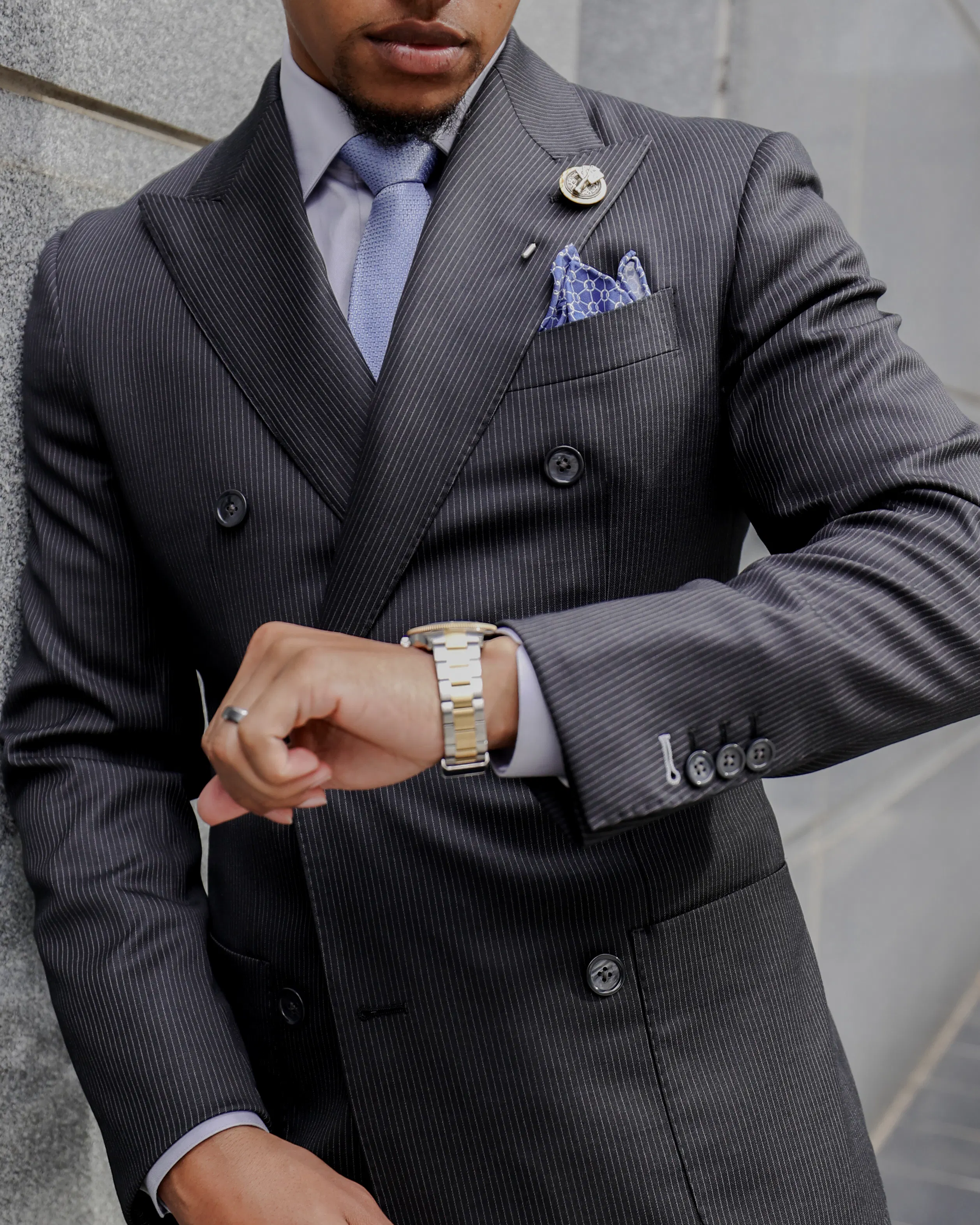
When it comes to pocket squares, you have two options. You can either match it to your tie or have it complement your overall outfit. It's essential to strike a balance—your pocket square should not exactly replicate the pattern or material of your tie but can mirror its color for a cohesive look.
Color Coordination
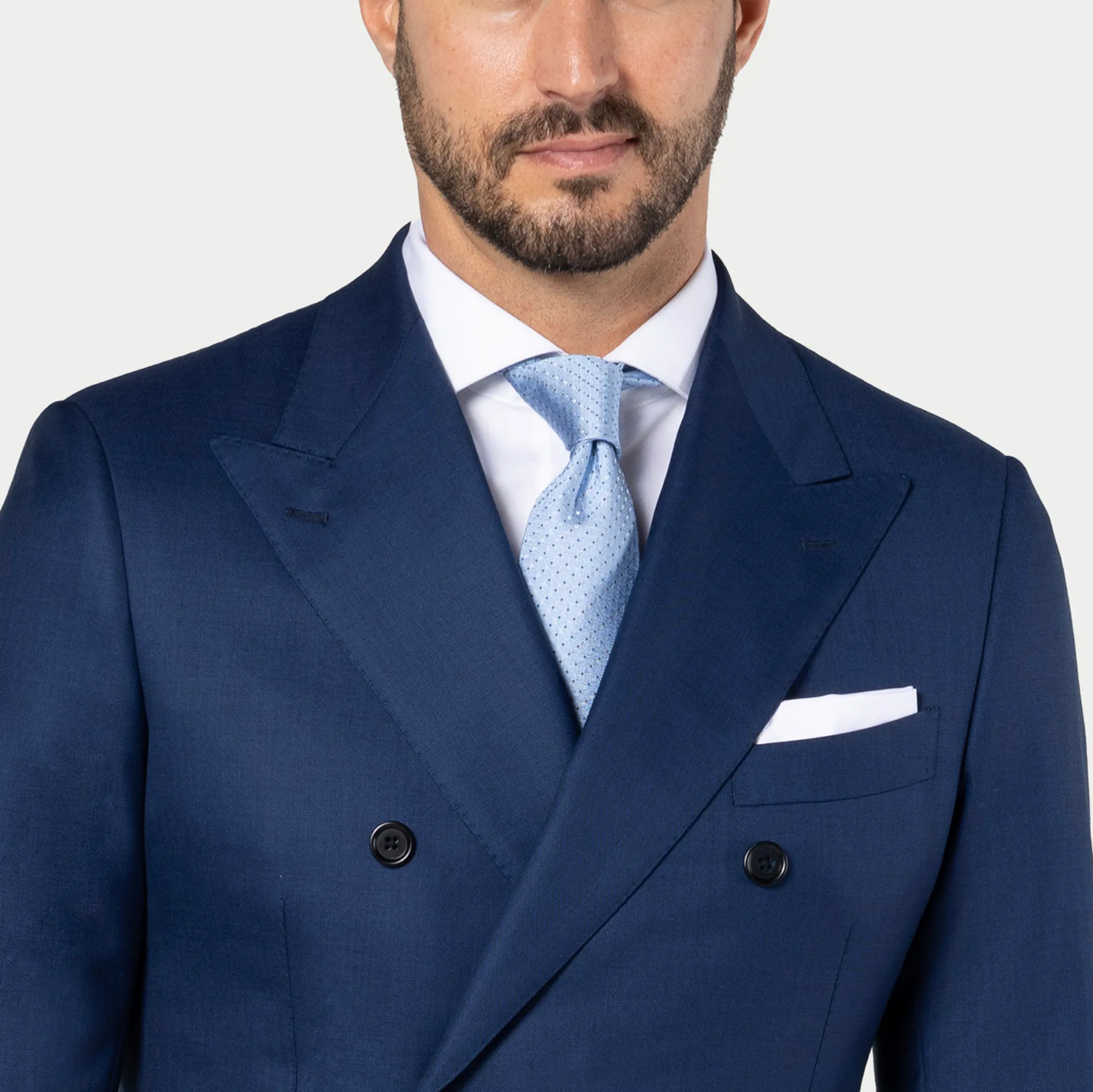
Your pocket square color should ideally draw from your suit, shirt, or tie. A contrasting color can create a bold, vibrant statement, while a harmonious shade can deliver a more understated, sophisticated effect. For instance, with a navy Enzo Custom suit, a bright orange pocket square provides a striking contrast, while a light blue one yields a more coordinated appearance.
Playing with Patterns
When pairing patterns, aim for a balance in scale. If your tie sports a broad pattern, a pocket square with a more intricate design can provide a pleasant contrast and vice versa.
Choosing Your Fold
Your pocket square fold should align with the tone of your occasion. The 'Presidential Fold' is perfect for formal events with its crisp, clean line, while the 'Puff Fold' is suited for casual gatherings, offering an air of laid-back elegance.
Parting Thoughts
At Enzo Custom, we believe the perfect suit is more than fabric and stitches—it's in the details. A pocket square may be a small element, but it makes a significant impact, reflecting your style and personality. So experiment with colors, patterns, and folds to find what feels authentically you. In the end, the right pocket square is the one that makes you feel your best when wearing your Enzo Custom suit.
Begin With a Private Appointment
Explore cloth, fit, and occasion with an Enzo Custom clothier. Reserve a private appointment at your nearest showroom.
No obligation · By appointment
More from the Journal

On Cashmere: Grades, Origins, and What Quality Looks Like
Most men own a cashmere garment. Few can, on inspection, tell whether the garment they own is good cashmere or merely cashmere. The fiber has been so democratized — by the mall brands, by the e-commerce labels, by the seasonal sale racks — that the word itself has lost most of its meaning. The original meaning is recoverable. It requires a small vocabulary and a willingness to handle the cloth long enough to read it.

The Double-Breasted Suit, Considered
The double-breasted suit has spent much of the last forty years out of fashion, then quietly back in it, then out again. Each of these movements obscures a more durable fact: the silhouette is its own grammar, and a man who understands its rules does not need to track its returns. The double-breasted is the most architecturally distinct cut in a man’s wardrobe — and, in its proper form, the most quietly authoritative.

The Black Suit: Considered Beyond Funerals
The black suit has a complicated reputation in contemporary menswear. For decades, it was the suit a man owned for funerals — a single piece in the closet that came out only for sad occasions and was otherwise treated as too somber for ordinary wear. The recommendation in most menswear writing is to skip the black suit entirely and choose a charcoal or navy as the foundational dark suit.