
The Timeless Elegance of Cufflinks: An Essential Guide
As we traverse the vast landscape of men's accessories, we stumble upon a gem that has withstood the test of time, fashion trends, and changes in the sartorial world – the cufflink. Despite their small size, cufflinks play a monumental role in the world of formal menswear, adding a touch of sophistication and personal style to any outfit.
A Stroll Through Cufflinks History
Cufflinks emerged in the 17th century, evolving from simple strings and ribbons that gentlemen used to fasten their cuffs. It was during the reign of Louis XIV when the more recognizable form of cufflinks appeared: a pair of glass buttons joined by a short chain. Today, they have transcended their functional beginnings, evolving into a significant detail in the modern gentleman's wardrobe.
Cufflinks in Modern Fashion
Cufflinks may seem like a minor detail, but they possess the power to make or break an outfit. Whether you're attending a black-tie event, a formal dinner, or a corporate meeting, cufflinks offer a finishing touch to your attire.
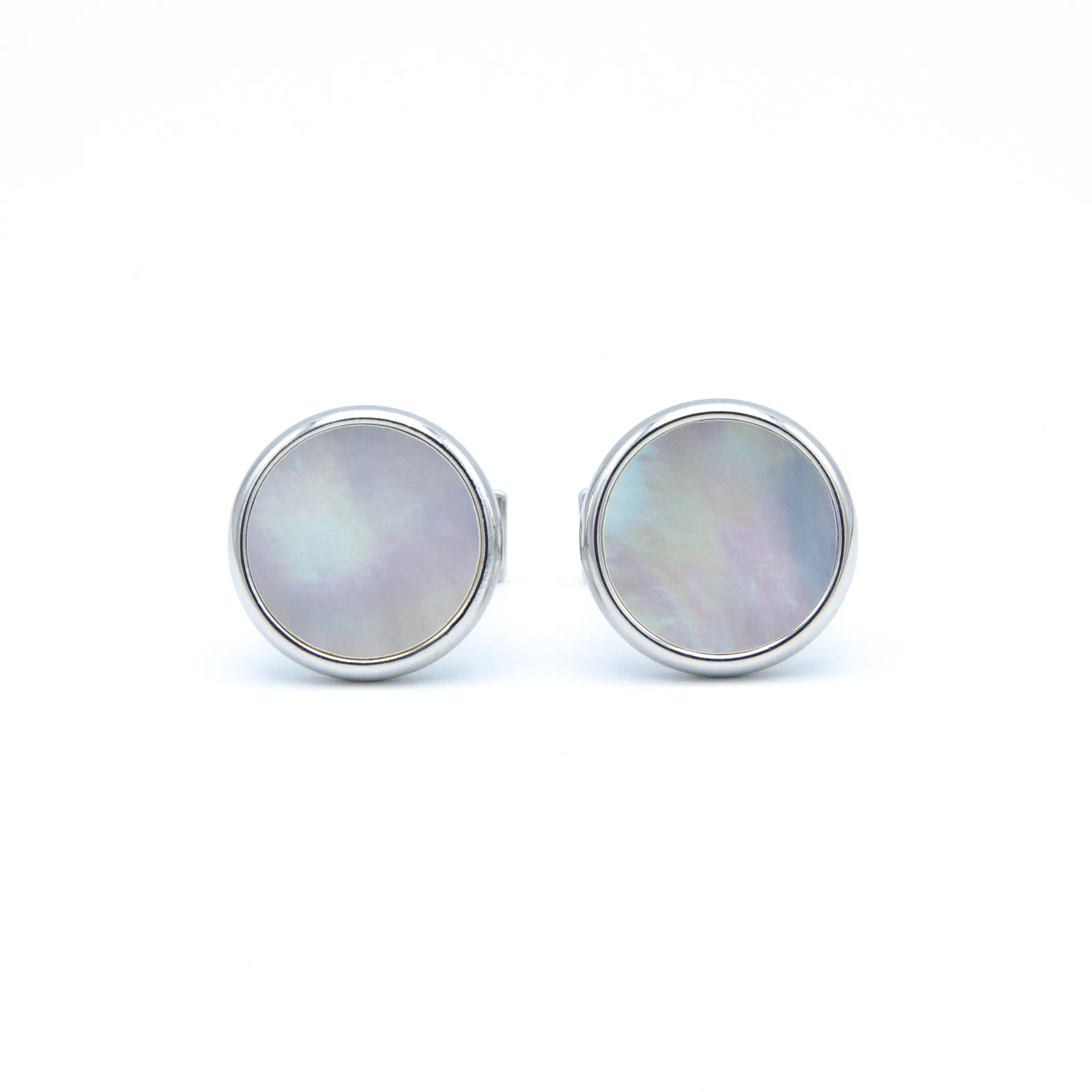
More Than Just Shirt Fasteners
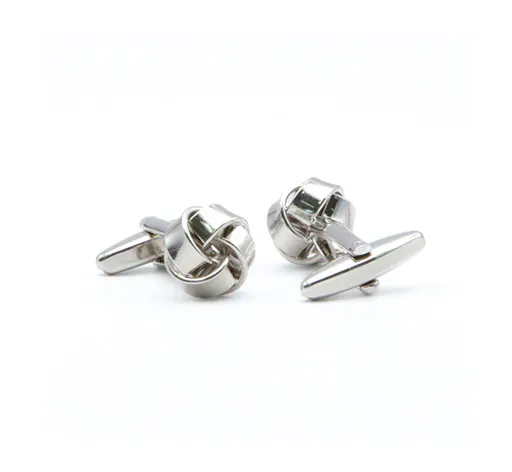
Cufflinks are more than just shirt fasteners; they are a reflection of your personality and style. From elegant gold and silver to fun shapes and motifs, cufflinks can be as understated or as bold as you desire. One of our favorite cuff links are our Silver Knot cuff links.
Choosing the Right Cufflinks
The beauty of cufflinks is in their versatility. Simple silver or gold cufflinks offer a classic look that pairs well with almost any outfit. For a more personal touch, consider cufflinks that reflect your hobbies, profession, or interests. Remember, the key is to choose cufflinks that complement your outfit, not overshadow it.
The Classic Pair: Cufflinks and French Cuffs
Cufflinks and French cuffs go together like a suit and tie. French cuffs are a type of shirt cuff that is folded back on itself and fastened with cufflinks. This pairing presents an air of sophistication and is typically associated with formal or semi-formal attire.
The Art of Wearing Cufflinks with French Cuffs
Fastening cufflinks might seem intimidating, but it's a simple process. Fold the cuff back so that the cuff's holes align, insert the cufflink through the holes, and secure it. This small detail can elevate your look significantly.
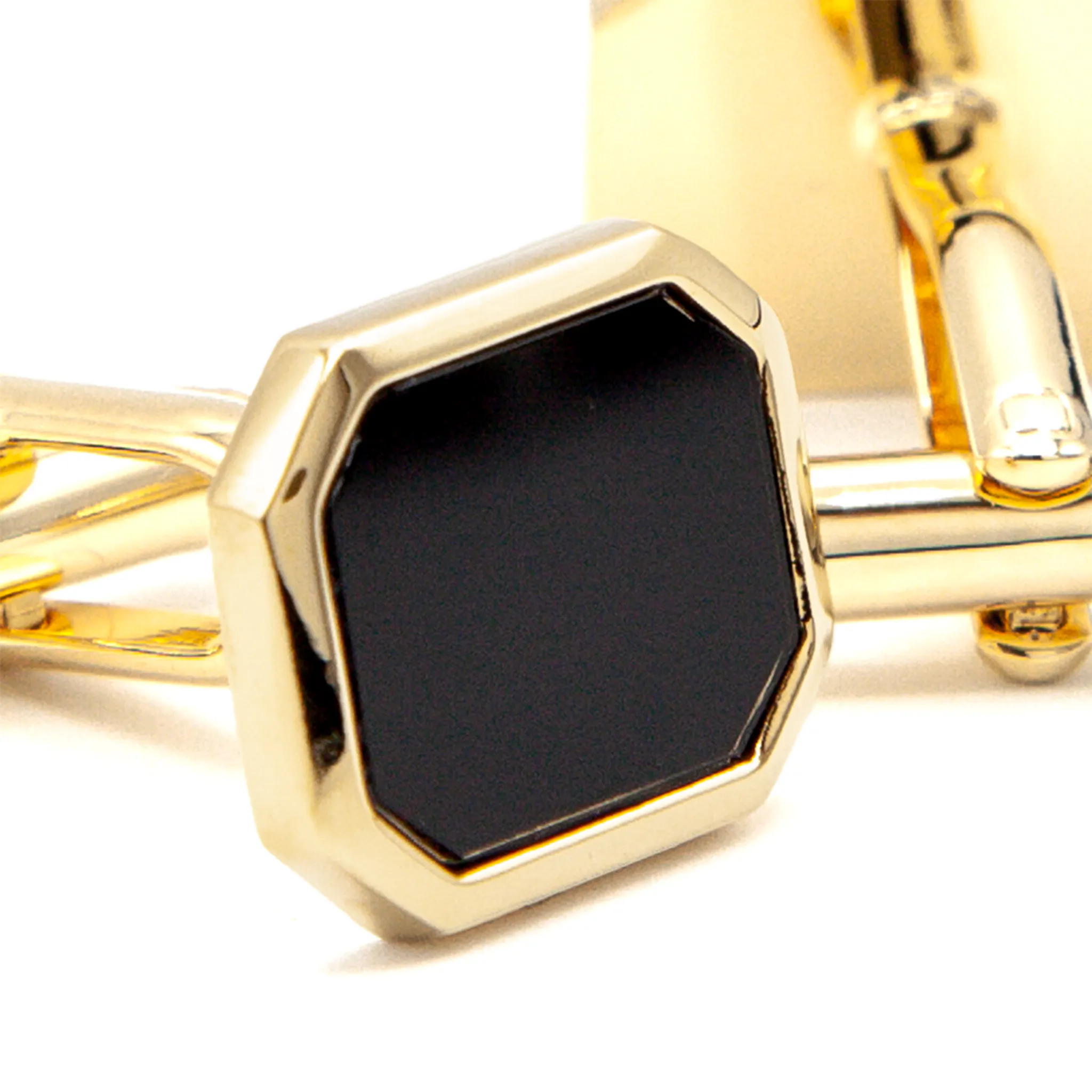
Putting it All Together
Cufflinks are more than just an accessory. They are a statement, a glimpse into your personality. They tell a story about who you are. Whether you're a cufflink connoisseur or new to the world of this elegant accessory, remember that cufflinks are the final brushstroke on your sartorial masterpiece.
In the words of Hardy Amies, "A man should look as if he had bought his clothes with intelligence, put them on with care, and then forgotten all about them." Cufflinks, in their subtle elegance, can help you do just that.
Begin With a Private Appointment
Explore cloth, fit, and occasion with an Enzo Custom clothier. Reserve a private appointment at your nearest showroom.
No obligation · By appointment
More from the Journal

On Cashmere: Grades, Origins, and What Quality Looks Like
Most men own a cashmere garment. Few can, on inspection, tell whether the garment they own is good cashmere or merely cashmere. The fiber has been so democratized — by the mall brands, by the e-commerce labels, by the seasonal sale racks — that the word itself has lost most of its meaning. The original meaning is recoverable. It requires a small vocabulary and a willingness to handle the cloth long enough to read it.

The Double-Breasted Suit, Considered
The double-breasted suit has spent much of the last forty years out of fashion, then quietly back in it, then out again. Each of these movements obscures a more durable fact: the silhouette is its own grammar, and a man who understands its rules does not need to track its returns. The double-breasted is the most architecturally distinct cut in a man’s wardrobe — and, in its proper form, the most quietly authoritative.

The Black Suit: Considered Beyond Funerals
The black suit has a complicated reputation in contemporary menswear. For decades, it was the suit a man owned for funerals — a single piece in the closet that came out only for sad occasions and was otherwise treated as too somber for ordinary wear. The recommendation in most menswear writing is to skip the black suit entirely and choose a charcoal or navy as the foundational dark suit.