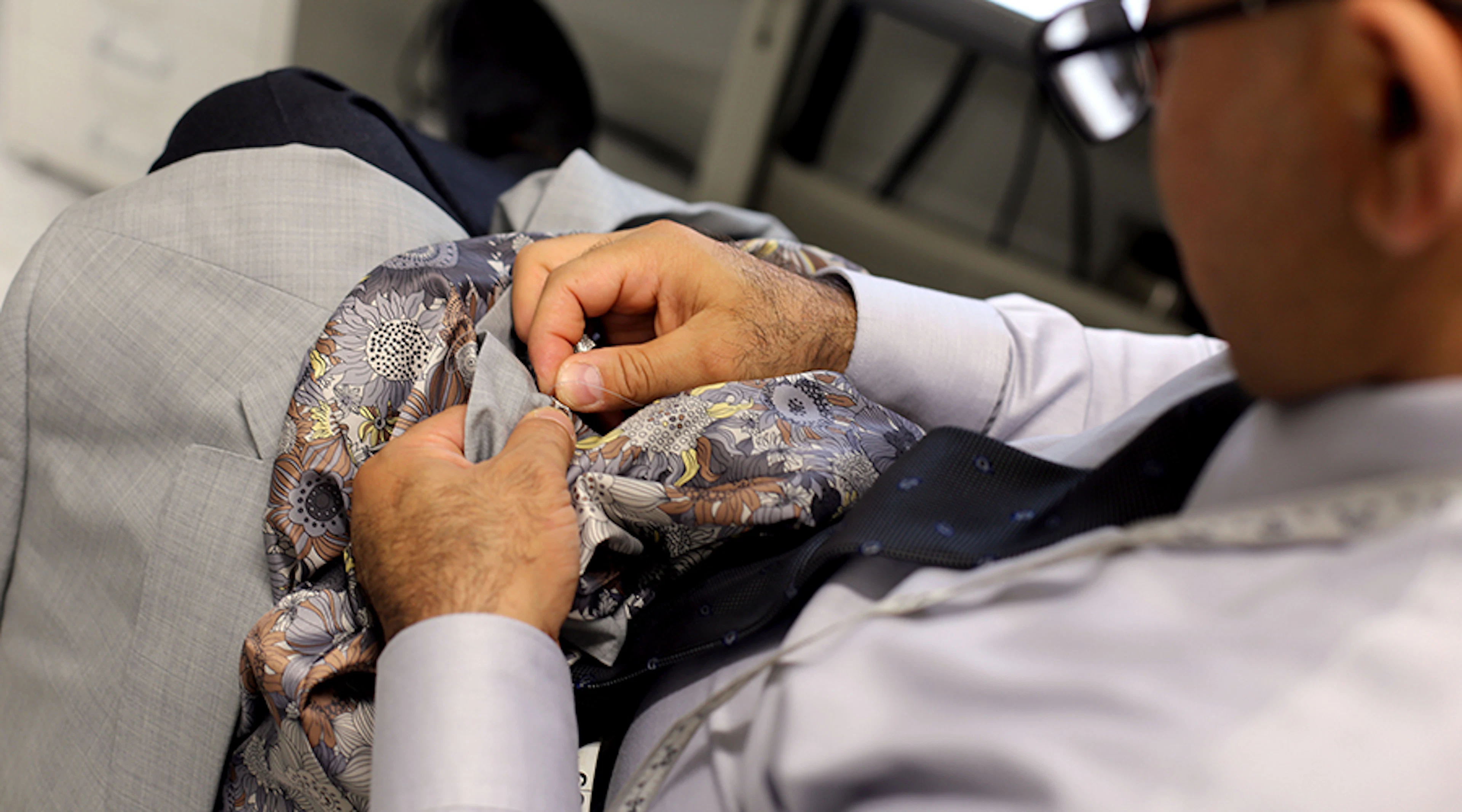
Breaking Down Suit Construction: Understanding Canvasing, Lining, and Stitching
Breaking down suit construction reveals a meticulous process that combines artistry and functionality.
Breaking down suit construction unveils a meticulous process that combines artistry and functionality. At the core of a well-constructed suit lies the canvasing technique, which involves attaching a layer of canvas to the inside of the jacket. This canvas serves as the framework that gives the suit its shape and structure, ensuring it drapes elegantly over the body. Canvasing allows the suit to conform to the wearer's silhouette over time, creating a personalized fit that distinguishes high-quality tailored garments from their off-the-rack counterparts. The method of canvasing can be categorized into three types: full canvas, half canvas, and fused construction. Full canvas construction involves hand-sewing a layer of canvas throughout the entire jacket, providing maximum flexibility and durability. Half canvas construction features canvas in the chest and lapel area, offering a balance between structure and cost-effectiveness. Fused construction, on the other hand, uses adhesive to bond the fabric and lining together, resulting in a stiffer feel that lacks the natural draping of canvas.
Lining plays a crucial role in both the aesthetic appeal and comfort of a suit. Traditionally made from silk or viscose, the lining adds a touch of luxury to the interior of the jacket while allowing it to glide smoothly over clothing worn underneath. Beyond its aesthetic function, the lining also serves practical purposes such as concealing seams and providing additional insulation. However, the choice of lining material can impact the breathability and durability of the suit, with natural fibers offering superior moisture-wicking properties compared to synthetic alternatives. Additionally, the lining can feature intricate patterns or contrasting colors, allowing wearers to express their personal style through subtle details that complement the overall design of the suit.
Stitching is the fine artistry that holds the components of a suit together, contributing to its durability and aesthetic appeal. The quality of stitching can vary significantly depending on factors such as the skill of the tailor, the type of thread used, and the construction technique employed. Hand-stitching, although time-consuming, allows for greater precision and durability compared to machine stitching. It results in barely perceptible seams that lay flat against the fabric, creating a clean and polished finish. Conversely, machine stitching is faster and more economical, but it may lack the attention to detail and craftsmanship characteristic of handmade garments. Regardless of the method used, impeccable stitching is essential for ensuring that the suit withstands the rigors of wear while maintaining its refined appearance.
Understanding the intricacies of canvasing, lining, and stitching provides insight into the craftsmanship behind a well-made suit. From the structural integrity provided by canvasing to the luxurious feel of the lining and the meticulous precision of stitching, each element contributes to the overall quality and aesthetic appeal of the garment. By appreciating these aspects of suit construction, wearers can make informed decisions when selecting tailored clothing, ensuring they invest in pieces that not only fit impeccably but also stand the test of time in both style and durability.
Begin With a Private Appointment
Explore cloth, fit, and occasion with an Enzo Custom clothier. Reserve a private appointment at your nearest showroom.
No obligation · By appointment
More from the Journal

On Cashmere: Grades, Origins, and What Quality Looks Like
Most men own a cashmere garment. Few can, on inspection, tell whether the garment they own is good cashmere or merely cashmere. The fiber has been so democratized — by the mall brands, by the e-commerce labels, by the seasonal sale racks — that the word itself has lost most of its meaning. The original meaning is recoverable. It requires a small vocabulary and a willingness to handle the cloth long enough to read it.

The Double-Breasted Suit, Considered
The double-breasted suit has spent much of the last forty years out of fashion, then quietly back in it, then out again. Each of these movements obscures a more durable fact: the silhouette is its own grammar, and a man who understands its rules does not need to track its returns. The double-breasted is the most architecturally distinct cut in a man’s wardrobe — and, in its proper form, the most quietly authoritative.

The Black Suit: Considered Beyond Funerals
The black suit has a complicated reputation in contemporary menswear. For decades, it was the suit a man owned for funerals — a single piece in the closet that came out only for sad occasions and was otherwise treated as too somber for ordinary wear. The recommendation in most menswear writing is to skip the black suit entirely and choose a charcoal or navy as the foundational dark suit.